PMOS vs PCOS: Why Experts Are Changing the Name
For years, this condition has been commonly known as PCOS or Polycystic Ovary Syndrome. Recently, many people have started hearing a new term: PMOS.
So, is PMOS different from PCOS?
Not really.
PMOS, short for Polyendocrine Metabolic Ovarian Syndrome, is the updated term many medical experts and advocacy groups are increasingly using to better reflect the condition as a whole.
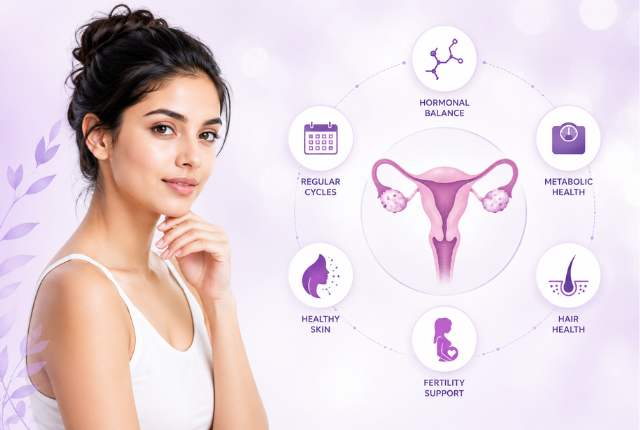
The change comes from a growing understanding that this condition affects much more than just the ovaries. It can also influence hormones, metabolism, skin health, menstrual cycles, and fertility.
What Is PMOS?
PMOS, or Polyendocrine Metabolic Ovarian Syndrome, is the newer term being used in place of PCOS by many experts and awareness groups. The updated name better reflects the hormonal and metabolic aspects of the condition, since not everyone diagnosed with PCOS has ovarian cysts.
Why Is the Name Changing From PCOS to PMOS?
The term PCOS mainly focused on ovarian cysts. However, doctors and researchers found that many individuals with the condition may not have cysts at all.
At the same time, the condition can affect multiple systems in the body, including hormones and metabolism.
Some commonly associated concerns include:
- Irregular periods
- Acne and oily skin
- Hair fall or excess facial hair
- Weight fluctuations
- Fatigue or low energy levels
- Difficulty conceiving
- Insulin resistance
Because of this broader impact, experts felt the older name did not fully explain the condition.
What Does PMOS Stand For?
Polyendocrine
It involves multiple hormones and endocrine pathways in the body.
Metabolic
It may affect metabolism, insulin balance, and weight management.
Ovarian
The ovaries and menstrual cycle can still be impacted.
Syndrome
Symptoms can vary from person to person.
PMOS and Skin Concerns
Hormonal fluctuations linked with PMOS can sometimes contribute to:
- Persistent acne
- Oily skin
- Post-acne marks
- Increased facial hair growth
This is often linked to hormonal imbalance and increased androgen activity, which can stimulate excess oil production in the skin.
Early medical guidance can help manage these concerns more effectively.
Is PMOS Officially Replacing PCOS?
PCOS is still the more widely recognized and commonly searched term globally. However, many healthcare professionals and advocacy groups are gradually adopting PMOS because it offers a more complete understanding of the condition.
For now, both terms are often used interchangeably.
Why Understanding PMOS Matters
The shift from PCOS to PMOS is not just about terminology. It helps create better awareness about how the condition can affect different parts of the body beyond the ovaries alone.
Understanding the condition better can help individuals recognize symptoms earlier and seek the right medical guidance when needed.
Key Takeaway
PMOS is the updated term increasingly being used instead of PCOS to better reflect the condition’s hormonal, metabolic, and reproductive impact. While PCOS focused mainly on ovarian cysts, PMOS highlights the broader nature of the condition and how symptoms can differ from person to person.
FAQs
Is PMOS different from PCOS?
No. PMOS is the newer term increasingly being used to describe PCOS more accurately and comprehensively.
Why are experts changing the term PCOS to PMOS?
Experts felt the older name focused too heavily on ovarian cysts, even though many people with the condition may not have cysts at all.
What are the common symptoms of PMOS?
Symptoms may include irregular periods, acne, hair fall, excess facial hair, weight fluctuations, fatigue, and difficulty conceiving.
Can PMOS affect skin health?
Yes. Hormonal imbalance linked with PMOS can contribute to acne, oily skin, pigmentation, and increased facial hair growth.
Can someone have PMOS without ovarian cysts?
Yes. Not everyone diagnosed with PMOS or PCOS has ovarian cysts.