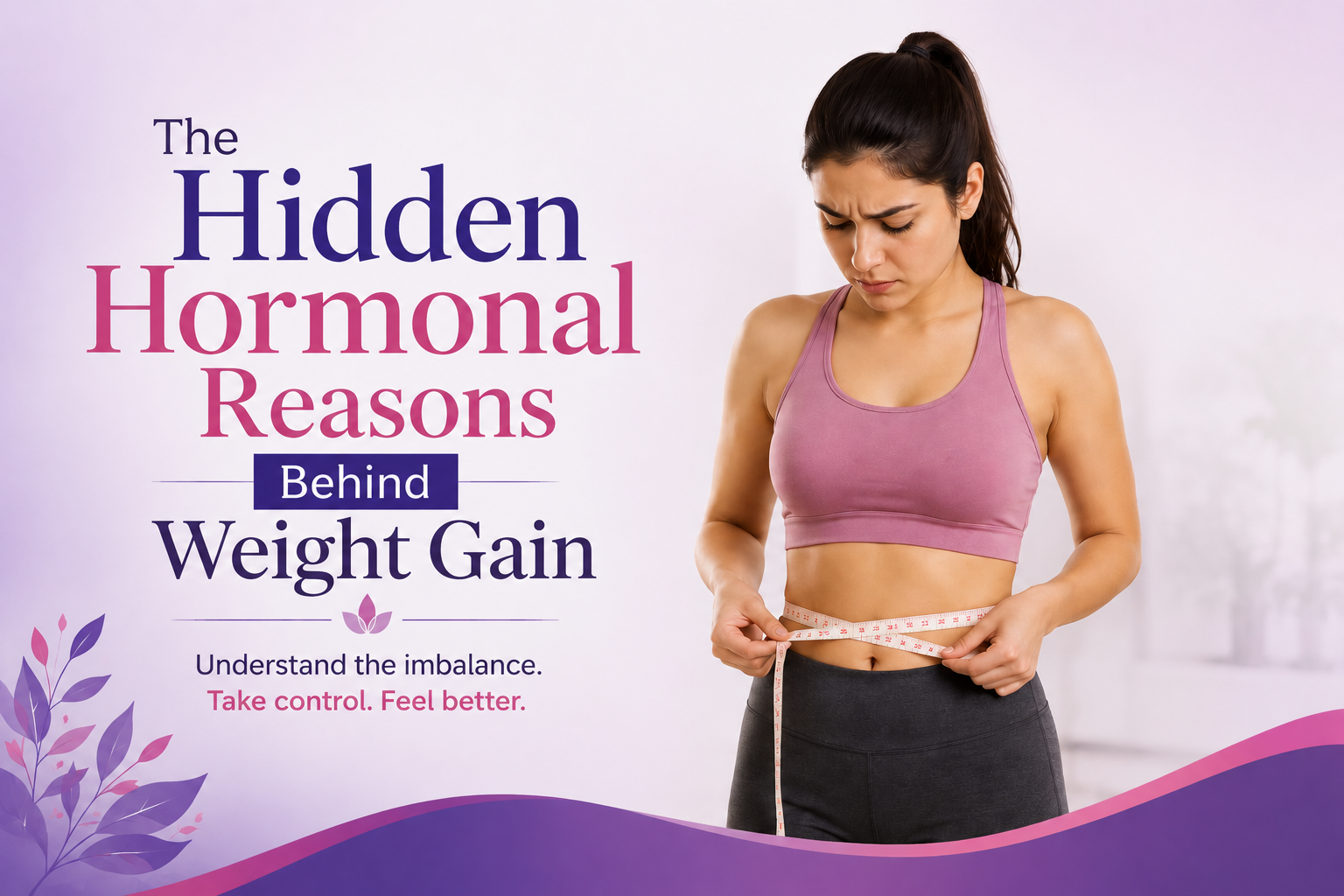
Weight gain is often blamed on overeating or a lack of exercise, but the reality is far more complex. Hormones play a vital role in regulating metabolism, appetite, fat storage, and energy levels. When these chemical messengers become imbalanced, losing weight can become challenging, even with a healthy diet and regular physical activity. Understanding how hormones influence body weight is an important part of maintaining a HealthyLife and can help you identify the underlying cause of stubborn weight gain and take the right steps toward long-term health.
What Are Hormones?
Hormones are chemical messengers produced by different glands in the body. They travel through the bloodstream and regulate essential functions such as metabolism, hunger, sleep, stress response, and reproduction. Even a slight hormonal imbalance can affect how your body burns calories and stores fat, making hormonal health an essential part of a HealthyLife.
Hormones That Can Contribute to Weight Gain
- Insulin
Insulin helps regulate blood sugar by allowing glucose to enter the body’s cells for energy. Consistently high insulin levels, often caused by insulin resistance, can encourage the body to store excess fat and make weight loss more difficult.
Common signs include:
- Increased abdominal fat
- Frequent cravings for sugary foods
- Fatigue after meals
- Cortisol
Known as the stress hormone, cortisol rises during periods of physical or emotional stress. Chronically elevated cortisol levels can increase appetite, trigger cravings for high-calorie foods, and promote fat storage, particularly around the abdomen.
Common signs include:
- Weight gain around the waist
- Increased hunger during stressful periods
- Difficulty sleeping
- Thyroid Hormones
The thyroid gland controls your metabolism. When it produces insufficient thyroid hormones, a condition known as hypothyroidism, your metabolism slows down, making it easier to gain weight and harder to lose it.
Common signs include:
- Unexplained weight gain
- Low energy levels
- Dry skin and hair
- Sensitivity to cold
- Leptin
Leptin is the hormone responsible for signalling fullness to the brain. When the body becomes resistant to leptin, you may continue feeling hungry even after eating enough food, leading to overeating.
- Ghrelin
Often called the “hunger hormone,” ghrelin stimulates appetite. Poor sleep, irregular eating habits, and stress can increase ghrelin levels, making it harder to control hunger.
- Estrogen
Fluctuations in estrogen, especially during menopause, can contribute to changes in body fat distribution and slow metabolism. Many women notice increased abdominal fat during this stage of life.
- Testosterone
Both men and women need healthy testosterone levels to maintain muscle mass. Lower testosterone can reduce muscle, slow metabolism, and contribute to increased body fat.
How to Manage Hormonal Weight Gain
While hormonal imbalances require proper medical diagnosis, lifestyle changes can support hormonal health and improve weight management while encouraging a HealthyLife.
- Eat a Balanced Diet
Choose whole foods rich in lean protein, healthy fats, fibre, fruits, and vegetables. Reducing refined sugar and processed foods can help stabilize blood sugar and insulin levels.
- Stay Physically Active
Regular exercise improves insulin sensitivity, supports metabolism, reduces stress, and helps maintain muscle mass. A combination of strength training and cardiovascular exercise offers the best results for a HealthyLife.
- Prioritize Quality Sleep
Aim for 7 to 9 hours of sleep each night. Consistent, restorative sleep helps regulate hormones that control hunger and metabolism.
- Manage Stress
Practices such as meditation, yoga, deep breathing, and spending time outdoors can help lower cortisol levels and reduce stress-related weight gain, supporting a healthier and more balanced HealthyLife.
- Seek Medical Advice
If you suspect a hormonal imbalance, consult a healthcare professional. Blood tests and a thorough evaluation can identify underlying conditions, allowing for personalized treatment that addresses the root cause rather than just the symptoms.
When Should You See a doctor?
If you experience persistent weight gain despite maintaining a healthy lifestyle, or if it is accompanied by symptoms such as fatigue, irregular periods, hair loss, or significant changes in appetite, it is important to seek medical advice. Early diagnosis and appropriate treatment can help restore hormonal balance and improve overall health, helping you return to a HealthyLife.
Key Takeaway
If you experience persistent weight gain despite maintaining a healthy lifestyle, or if it is accompanied by symptoms such as fatigue, irregular periods, hair loss, or significant changes in appetite, it is important to seek medical advice. Early diagnosis and appropriate treatment can help restore hormonal balance and improve overall health, helping you return to a HealthyLife.
FAQs
- Can hormonal imbalance cause weight gain?
Yes. Hormonal imbalances can affect metabolism, appetite, and fat storage, making weight gain more likely. - Which hormones are linked to weight gain?
Insulin, cortisol, thyroid hormones, estrogen, testosterone, leptin, and ghrelin are the main hormones that influence body weight. - What are the signs of hormonal weight gain?
Common signs include unexplained weight gain, fatigue, increased belly fat, food cravings, poor sleep, and difficulty losing weight. - Can hormonally weight gain be treated?
Yes. Treatment may include lifestyle changes, dietary improvements, exercise, stress management, and medical care, depending on the cause. - When should I see a doctor?
Consult a doctor if you have persistent weight gain despite healthy habits or experience symptoms such as fatigue, irregular periods, or hair loss.